
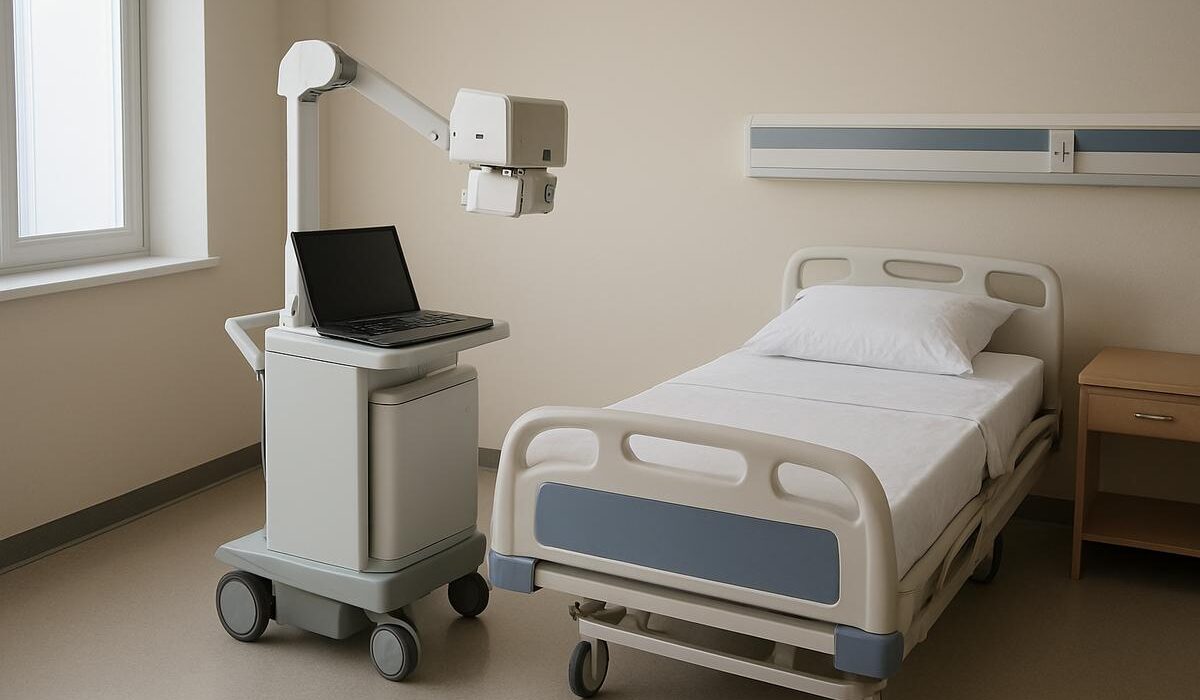
Upgrading an Analog X-Ray Room to Digital Radiography
Upgrading an analog x-ray room to digital radiography is a meaningful step toward enhancing diagnostic capabilities in medical imaging facilities. This transition enables the acquisition of high-quality images with improved efficiency and reduced radiation exposure. As facilities grapple with aging equipment and the need for better patient care, understanding the key aspects of this upgrade is essential for making informed procurement decisions.
In this guide, we will break down the critical elements involved in upgrading your x-ray room, including comparative features, potential costs, essential questions to ask vendors, and best practices for a successful transition. This will equip decision-makers in medical imaging facilities with the tools needed to navigate the upgrade process.
Understanding the Upgrade
Transitioning from analog to digital radiography typically involves replacing film-based systems with digital detectors or upgrading existing x-ray equipment. Digital radiography (DR) provides advantages such as instant image previews, greater image clarity, and the potential for lower patient radiation doses.
Key benefits include:
- Image Quality: Enhanced image resolution improves diagnostic accuracy.
- Workflow Efficiency: Faster imaging and processing times reduce patient wait times.
- Data Management: Digital images can be easily integrated and stored in PACS systems.
Features to Compare
When considering an upgrade, it's vital to evaluate key features of digital radiography systems alongside your existing analog setup. Here are some comparative features that might affect your purchasing choices:
- Detector Type: Compare the benefits of flat-panel detectors versus computed radiography (CR) systems. Determine which aligns with your imaging needs.
- Image Processing Software: Look for systems with advanced software for image enhancement and manipulation.
- Size and Portability: Assess dimensions and weight, especially if modifications to existing rooms or workflows are necessary.
- DICOM Compatibility: Confirm the system’s compliance with DICOM standards for shared format and interoperability. Ask how image data management will be handled.
Facility Requirements
Transitioning your analog x-ray room to digital radiography may require specific modifications to your facility. This includes:
- Space Considerations: Ensure there is adequate space for new equipment, especially detectors and workstation setup.
- Electrical Requirements: Check if upgrades to electrical outlets and power sources are needed to support new technology.
- Radiation Safety Measures: Confirm that appropriate shielding is in place for patient and staff safety.
Training and Support
Implementing a new digital radiography system involves training staff effectively to leverage the technology. Factors to consider include:
- Vendor Training Options: Confirm what training programs are offered with the purchase of the system.
- Ongoing Support: Understand the level of technical support available post-installation. This may include remote assistance or on-site service.
- User Documentation: Evaluate the availability of user manuals and online resources for staff training.
Questions to Ask Before Buying
Before finalizing an upgrade, engaging your vendor with targeted questions can clarify essential aspects of the purchase:
- What are the total costs? Confirm all associated costs beyond initial purchase, such as installation, training, and potential ongoing fees.
- What is the implementation timeline? Understand the typical duration for installation and setup to plan patient scheduling effectively.
- Will the system integrate with existing PACS? Confirm compatibility with your existing image management system to ensure seamless integration.
Frequently Asked Questions
What are the common types of digital radiography systems available?
ANSWER: The two primary types are flat-panel digital detectors and computed radiography systems. Each has unique features that cater to different facility needs.
How does digital radiography reduce radiation exposure compared to analog systems?
ANSWER: Digital radiography often allows for lower radiation doses due to enhanced image sensitivity and processing techniques, thereby requiring less radiation for each image.
What maintenance is required once the upgrade is complete?
ANSWER: Regular maintenance schedules, including software updates and preventive checks, are essential to ensure optimal performance and longevity. Confirm with the vendor for their specific recommendations.
In summary, upgrading an analog x-ray room to digital radiography is a transformative step for medical imaging facilities. By examining key aspects like comparative features, facility needs, and essential questions for vendors, decision-makers can confidently navigate the procurement process and enhance their diagnostic capabilities effectively.
Explore KnovelTech equipment options or contact KnovelTech for model-specific information and pricing.