
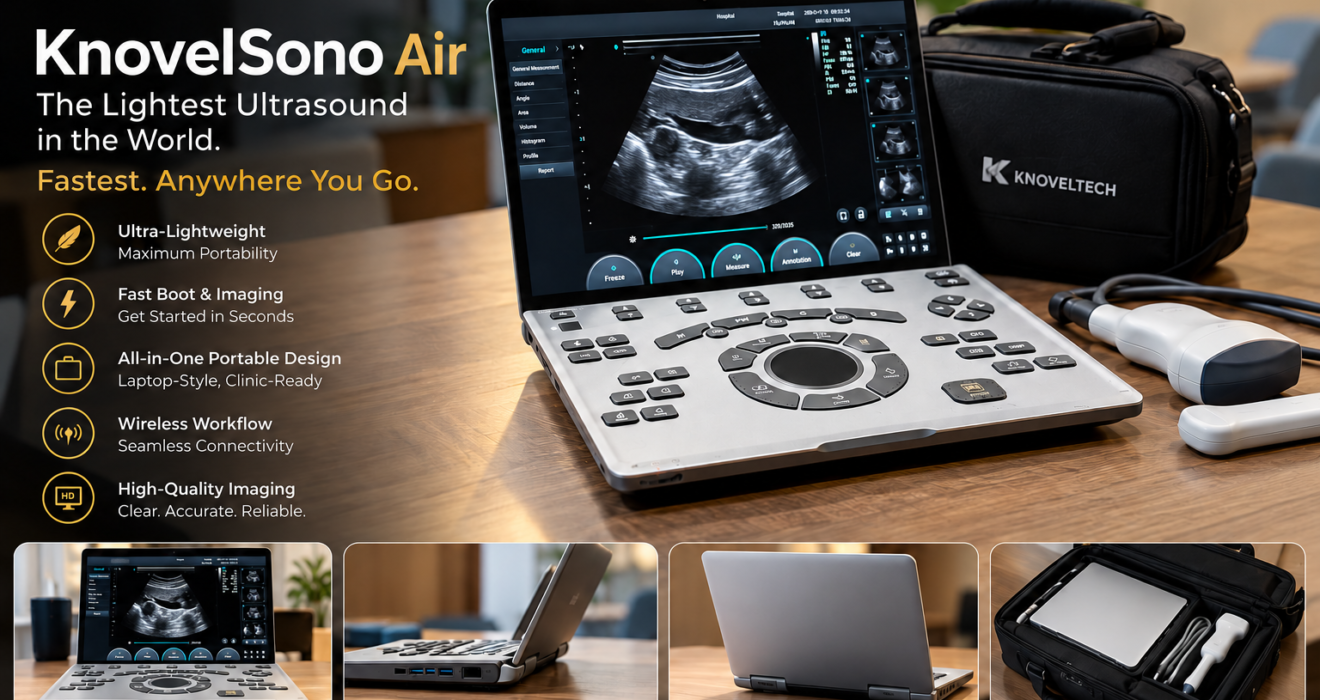
Deciding Between New vs. Refurbished Ultrasound Machines: Pros and Cons
Deciding between new vs refurbished ultrasound machines is a budget and workflow decision, not just a line item. Hospital administrators often have to balance capital planning, service expectations, clinical coverage, and room readiness at the same time.
The right choice depends on how the system will be used, who will maintain it, and how much flexibility your department needs. In practice, the best purchase is the one that fits your exam mix, staffing, infrastructure, and support requirements, while confirming every critical detail with the vendor.
What New and Refurbished Usually Mean
A new ultrasound system is typically factory-fresh equipment with the latest available configuration at the time of purchase. A refurbished system is a previously owned unit that has been inspected, repaired as needed, cleaned, and restored for resale by the seller or a third party.
That definition sounds simple, but the details matter. Refurbishment can range from basic cosmetic cleanup to a more extensive process involving tested components, software checks, and replacement parts. Ask the vendor exactly what was done, by whom, and what documentation is available.
New systems may offer broader access to current options, while refurbished systems may let you access a higher-tier platform at a lower budget level. Those are general purchasing advantages, not guarantees, so compare the exact model, year, probe compatibility, and included accessories before deciding.
Pros and Cons for Hospital Buyers
New equipment is often preferred when you want the latest platform architecture, a full factory configuration, and a clean starting point for service history. It may also simplify standardization if your organization wants to align multiple departments on the same generation of console and user interface.
Refurbished equipment can be attractive when capital is limited or you need to expand coverage without committing to a full new-system budget. It may also be a practical option for lower-volume sites, backup rooms, or service lines that need a reliable system without the newest feature set.
Consider these comparison points:
- Lifecycle planning: New may last longer before replacement, but refurbished may offer better near-term budget flexibility.
- Feature set: New may support more current options; refurbished may be limited by model age or available software.
- Configuration certainty: New systems are easier to specify from the outset; refurbished systems can vary depending on what was previously installed.
- Risk tolerance: New equipment generally carries less uncertainty about prior use; refurbished equipment requires closer verification of service history and condition.
- Budget allocation: Refurbished can preserve capital for other needs, but confirm whether service, probes, or installation are included.
Do not assume “refurbished” means the same thing across vendors. Ask for a written scope of refurbishment and confirm whether any parts were replaced, updated, or excluded.
Where Facilities Often See the Biggest Differences
For hospitals, the biggest difference is often not image quality alone, but operational fit. A new machine may be easier to standardize across departments, especially if you need a consistent interface for multiple users, modalities, or sites.
Refurbished systems can make sense when you need a secondary room, a replacement for an aging unit, or a machine for lower-acuity workflows. They may also help bridge a procurement gap while you plan a larger capital purchase.
Before comparing models, confirm the facility requirements that affect installation and use:
- Electrical requirements and room power availability
- Physical footprint, cart mobility, and door/elevator access
- Network readiness for image storage and export
- PACS compatibility and DICOM support, which should be verified with the vendor
- Environmental considerations such as room layout and noise sensitivity
- Access to service space for maintenance
If your hospital has multiple sites, confirm whether the system can be supported consistently across locations. A lower purchase price can be offset by difficult installation, limited service access, or workflow delays.
Probes, Transducers, and Core System Components
When buying ultrasound, separate the console decision from the probe decision. The system is the platform, but the probe or transducer is what directly connects to the exam type and clinical use case.
New and refurbished systems may be sold with different probe packages, and that affects value significantly. Confirm which probes are included, whether they are new or used, and whether they are compatible with the intended applications.
Useful buyer questions include:
- Which probe types are included with the system?
- Are the probes new, refurbished, or mixed?
- Is there a documented compatibility list for each probe?
- Are replacement probes easy to source?
- What inspection or testing was done on each probe?
Do not confuse ultrasound probes with X-ray generator or detector features. X-ray systems rely on different components, while ultrasound imaging depends on the console, software, and transducers. If you are comparing multiple imaging platforms, keep those categories separate so you are not evaluating the wrong performance criteria.
Questions to Ask Before Buying
Ask the same core questions whether the system is new or refurbished. The answers will tell you more than the label on the listing.
Start with these:
- What exactly is included in the sale?
- What refurbishment process was completed, if applicable?
- Can you provide service records or a condition report?
- Which software version is installed, and is it current enough for our needs?
- Does the system support DICOM? Confirm with the vendor.
- What training is provided for users and biomed staff?
- What support is available after delivery, and what response process applies?
- Are installation, calibration, and room setup included or separate?
You should also ask about parts availability and expected serviceability. A lower-priced system is less attractive if replacement components are difficult to obtain or support is limited.
How to Compare Vendors and Offers
Do not compare offers by price alone. Two systems with the same model name can differ in condition, probe package, software options, and support scope.
A practical comparison checklist includes:
- Exact model and configuration
- Age and usage history, if available
- Refurbishment documentation and inspection scope
- Included probes, carts, batteries, accessories, and software options
- Warranty terms, if any, which should be confirmed with the vendor
- Delivery and installation responsibilities
- Training scope for clinical users and technical staff
- Service availability, spare parts access, and support channel
Research should be used as a prompt for better buyer questions, not as proof of competitor claims. If a seller says a system is “like new” or “factory restored,” ask for the documentation that supports that statement.
For hospital administrators, it is also useful to compare ownership cost over the expected use period. That means considering purchase price, support exposure, downtime risk, and the likelihood of needing future upgrades.
Frequently Asked Questions
Is a refurbished ultrasound machine always a worse purchase than a new one?
No. A refurbished system can be a strong value if the refurbishment is well documented, the probes fit your use case, and support is available. The better choice depends on your workflow and risk tolerance.
What matters most when reviewing a refurbished offer?
Condition documentation, included probes, software version, support terms, and service history matter most. Also confirm installation requirements and whether DICOM support is available and verified with the vendor.
Should hospitals choose new systems for all departments?
Not necessarily. Some departments may justify new platforms, while others may be well served by refurbished units for backup, expansion, or lower-volume use. Match the system to the clinical demand and operational plan, not a one-size-fits-all rule.
Explore KnovelTech equipment options or contact KnovelTech for model-specific information and pricing.